(800) 563-7333
April 09, 2024 | Myrna Pearman, Chin Ridge Seeds (en-CA)
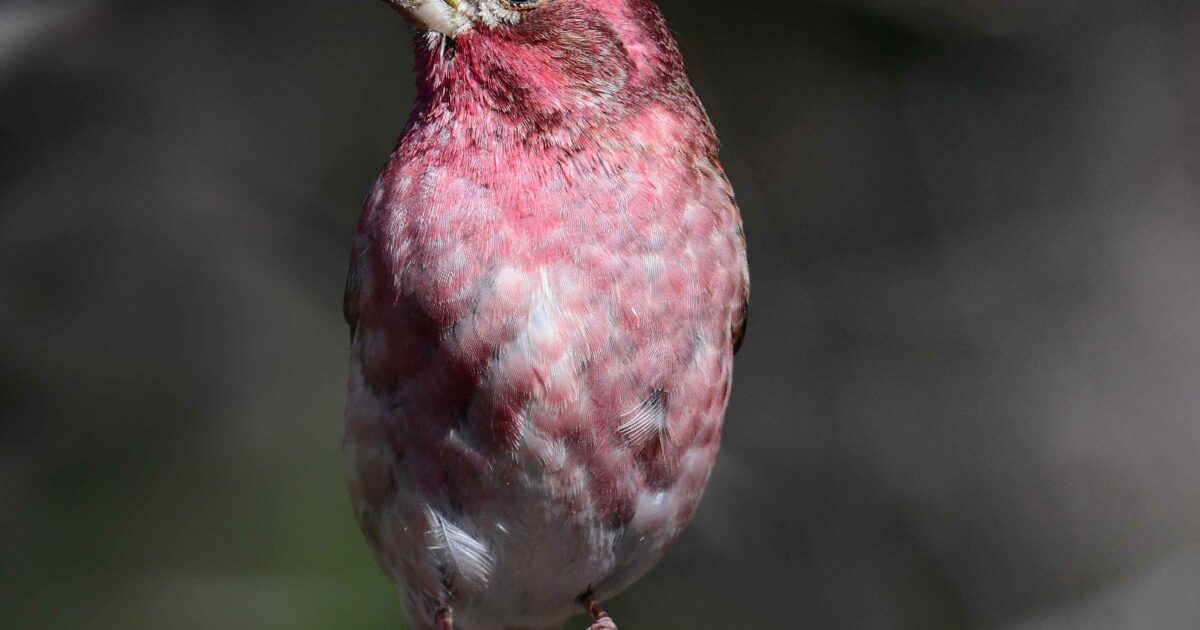
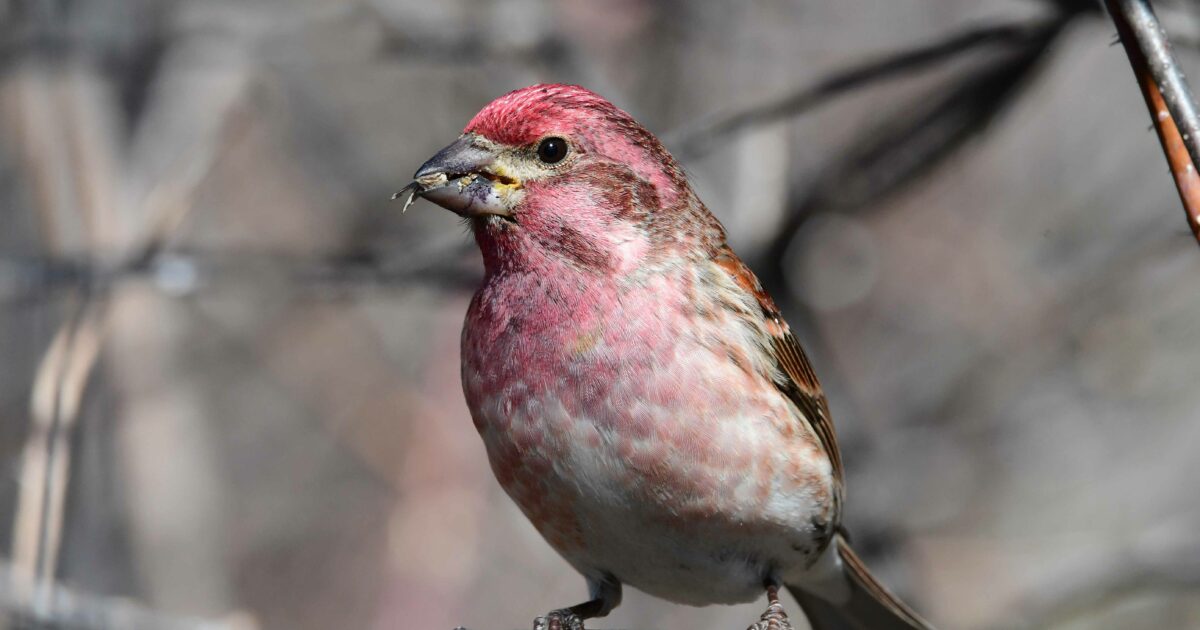
What a delight it is to see the first Purple Finches arriving back in April, with the males’ beautiful raspberry-red providing a welcome contrast to the dull grays and browns of the surrounding landscape.
February 13, 2024 | Myrna Pearman, Chin Ridge Seeds (en-CA)
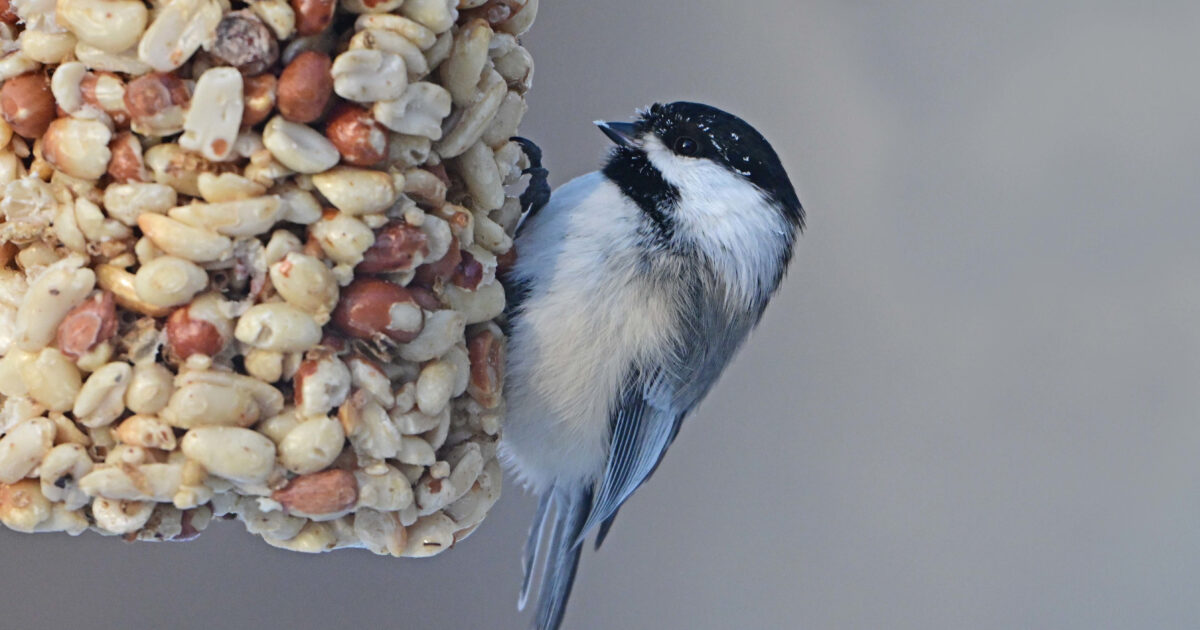
As I sit cradling a warm cup of coffee by the woodstove on a very cold winter’s morning, watching the chickadees at the feeder outside my front window, I can’t help but marvel at these little snow cherubs. How can they possibly endure such cold, harsh conditions?
January 29, 2024 | Myrna Pearman, Chin Ridge Seeds (en-CA)
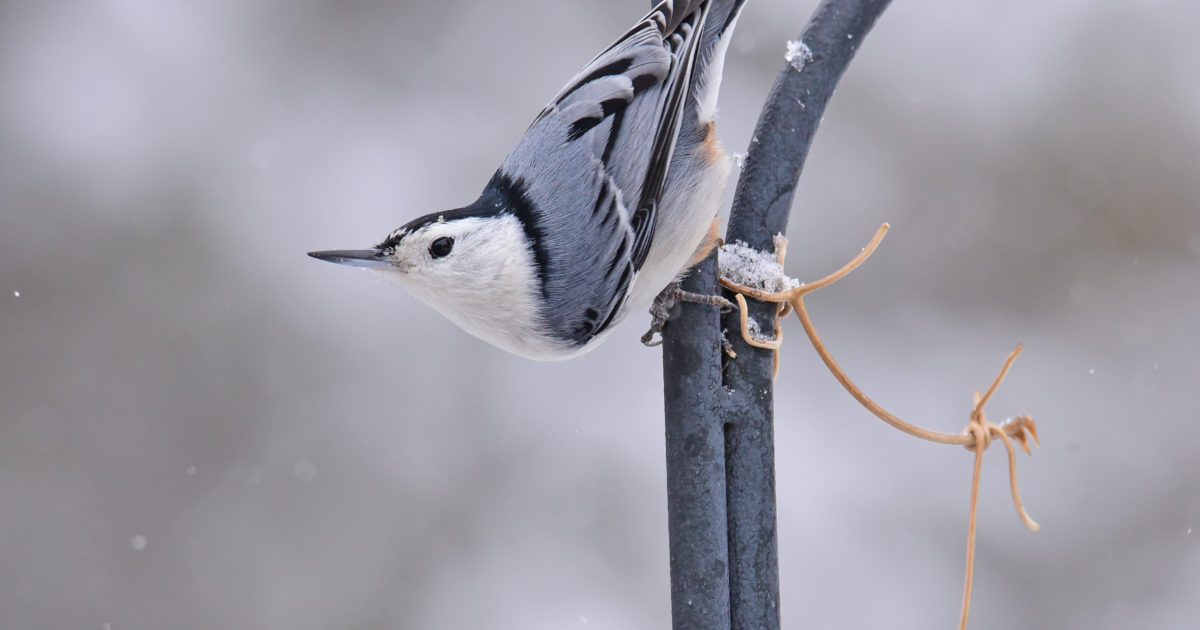
Project FeederWatch is a North American citizen science initiative that started at the Long Point Bird Observatory in Ontario, in 1976, with the Ontario Bird Feeder Survey. Cornell Lab or Ornithology came on board in 1987 in order to expand the program across the entire continent. Named Project Feeder Watch, the program is now a joint venture between Cornell and Birds Canada.
December 01, 2023 | Myrna Pearman, Chin Ridge Seeds (en-CA)
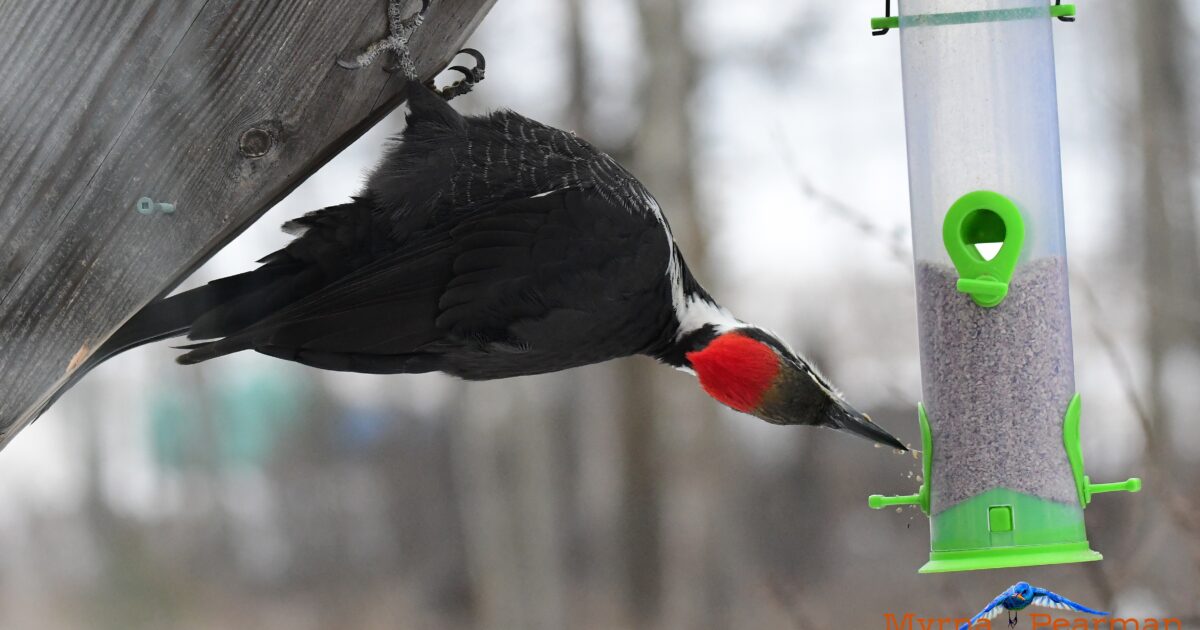
Bird migration is a topic that has entranced and mystified humans for centuries. While new technologies are shedding light on the details of bird migration journeys between the north and the south (i.e., departure and arrival dates, distances traveled, stop-over locations, and overwintering areas), the full understanding of how the birds “know” when, how and where to migrate to/from still eludes human understanding.
November 29, 2023 | Myrna Pearman, Chin Ridge Seeds (en-CA)
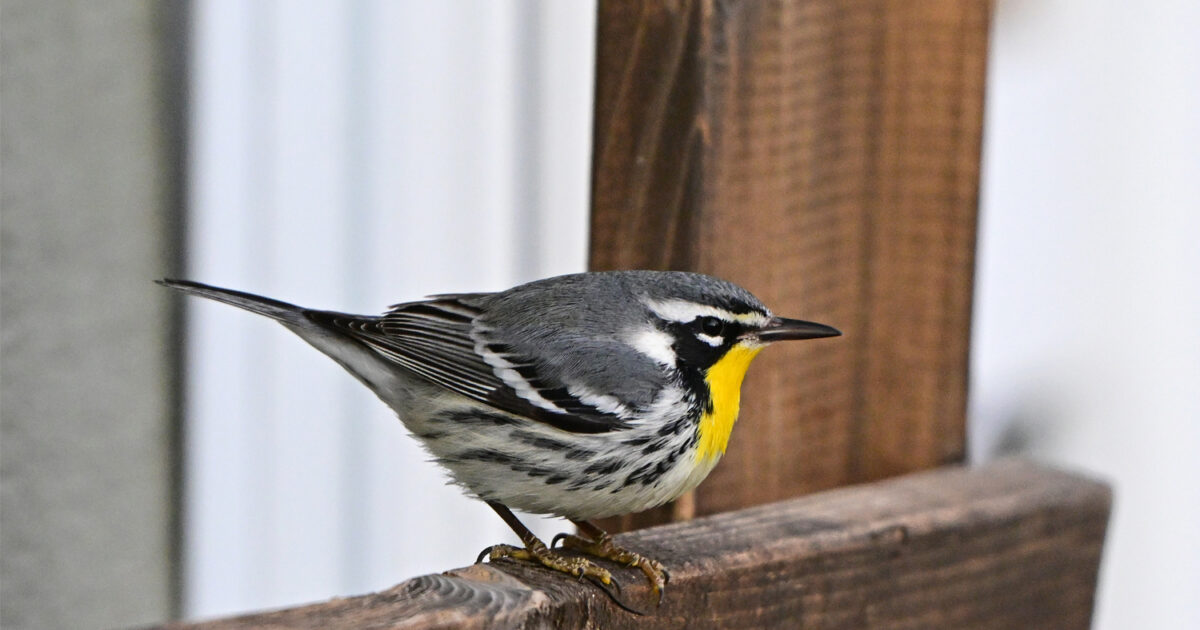
For several weeks this fall, a rare and beautiful bird enthralled birdwatchers from all over Alberta. The bird, a Yellow-throated Warbler, appeared in the backyard of a bird-feeding enthusiast east of Breton, Alberta on the afternoon of October 22, 2023. This was only the third record for the species in Alberta!
October 16, 2023 | Myrna Pearman, Chin Ridge Seeds (en-CA)
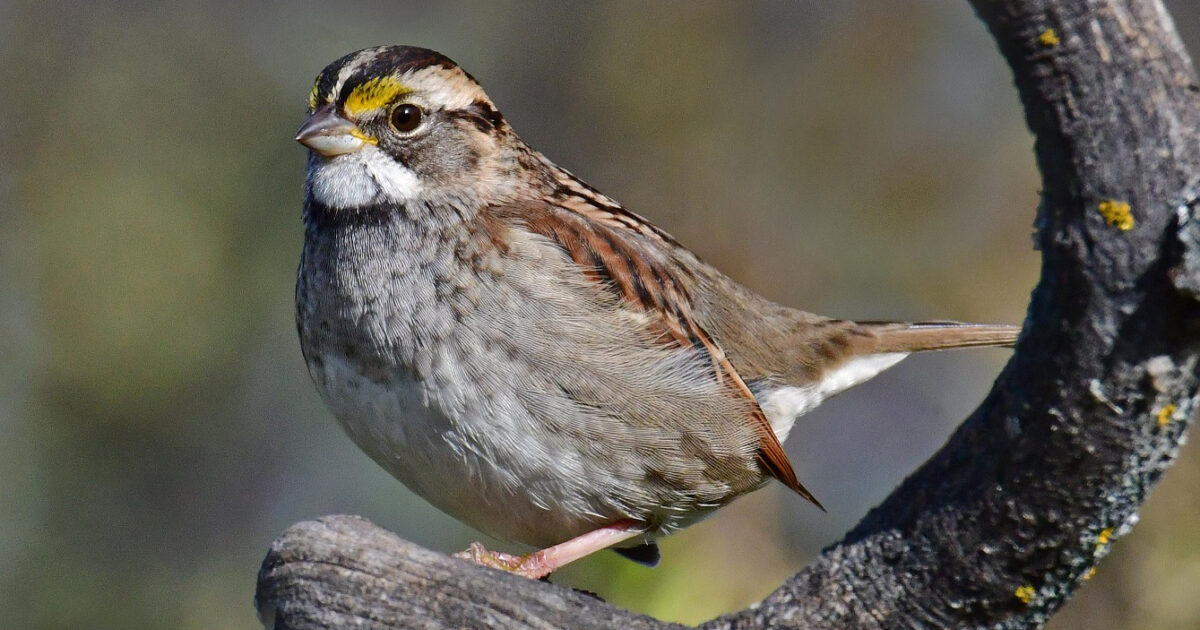
Fall is a good time to start/resume a bird feeding program. Not only will supplemental feed help our avian neighbours survive harsh conditions, bringing birds into our yards and gardens also livens up the cold prairie winters.
July 21, 2023 | Myrna Pearman, Chin Ridge Seeds (en-CA)
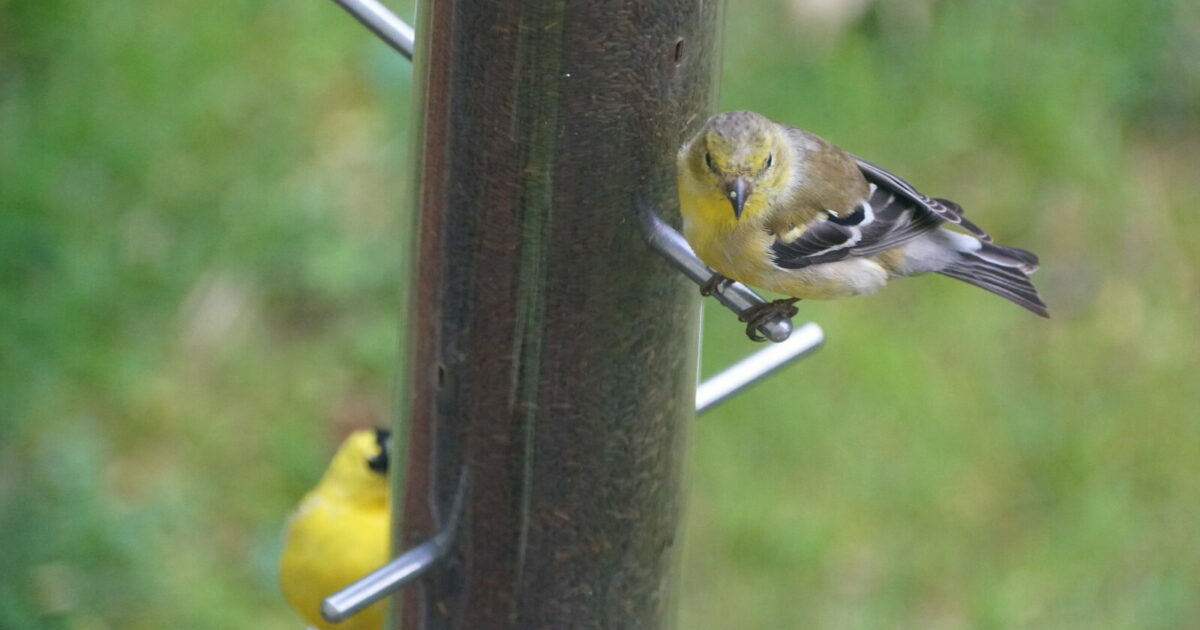
I highly recommend feeding birds during the summer months. The exception would be in areas where it is illegal (e.g., some National Parks) or where there is a risk of attracting bears. Otherwise, summer bird feeding adds great interest to any yard or garden because it attracts colourful and interesting bird species and provides new opportunities to observe bird behaviour, including courtship, nesting, and the feeding of young.
June 07, 2023 | Myrna Pearman, Chin Ridge Seeds (en-CA)
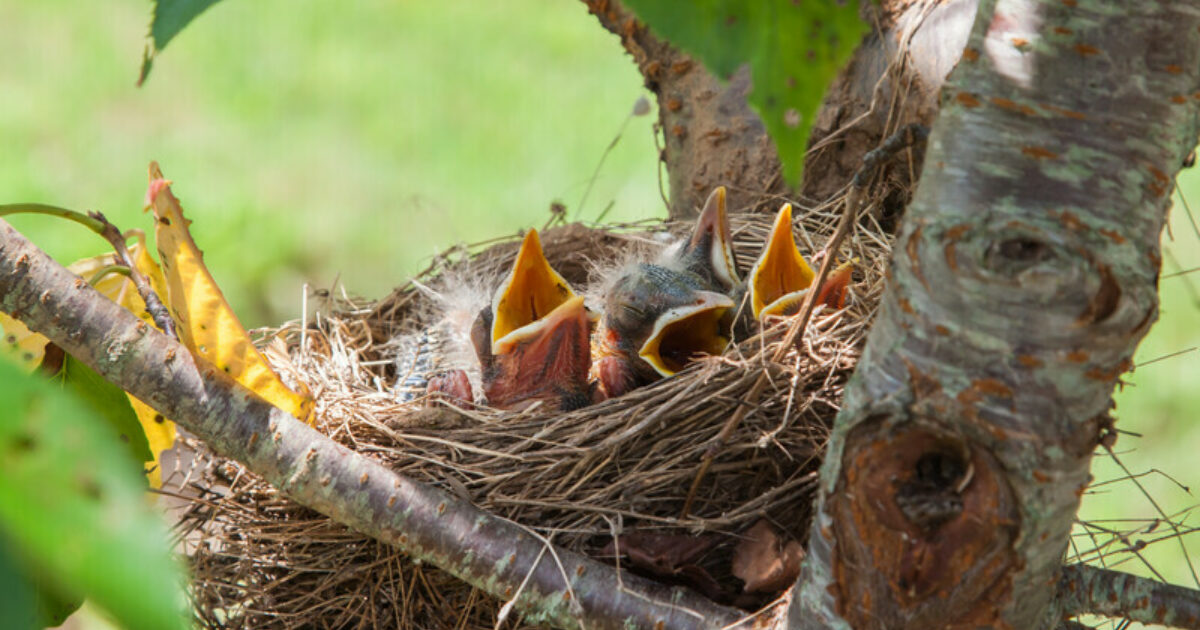
Across the Canadian Prairies, June and July are the most active and interesting bird-related months of the year because it is nesting season! Upon arrival at their breeding grounds, birds need to recover from their migration before commencing the challenging tasks of setting up territories, finding mates, building their nests and raising their families.
May 09, 2023 | Myrna Pearman, Chin Ridge Seeds (en-CA)
For bird lovers across the Canadian Prairies, May is one of the most exciting months of the year. As the gloom and cold of winter is displaced by warmth and longer hours of daylight, birds start arriving on their breeding territories or delight their human observers as they pass through on their way farther north.
April 12, 2023 | Myrna Pearman, Chin Ridge Seeds (en-CA)
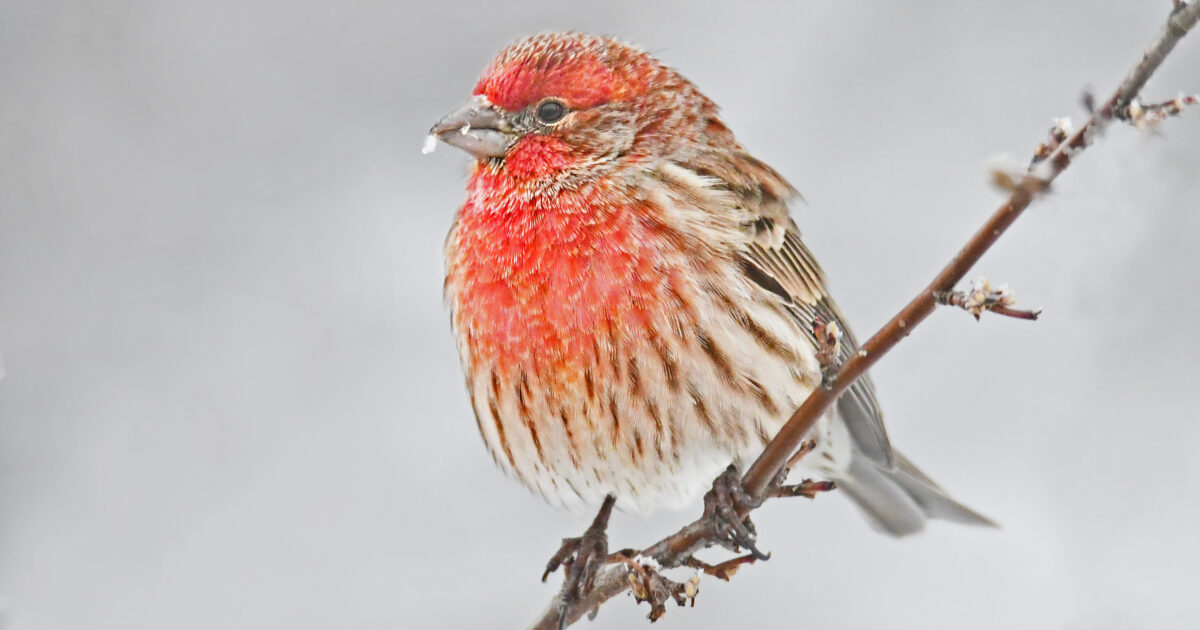
The story of the House Finch is a fascinating one. Native to Mexico and the Western U.S., a few individuals were released in New York in 1940 after failed attempts to sell them as caged birds. The birds quickly spread westward, where the two breeding populations have now converged.